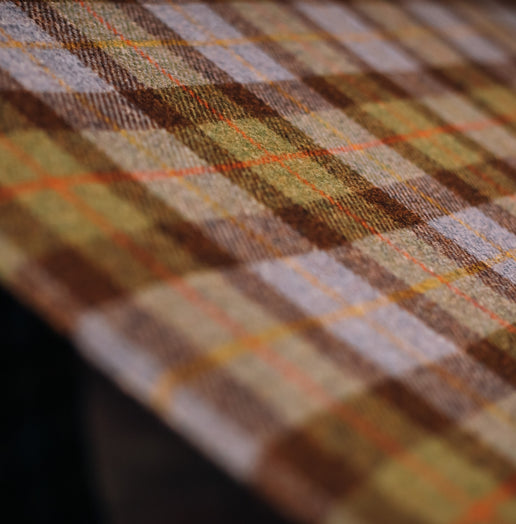
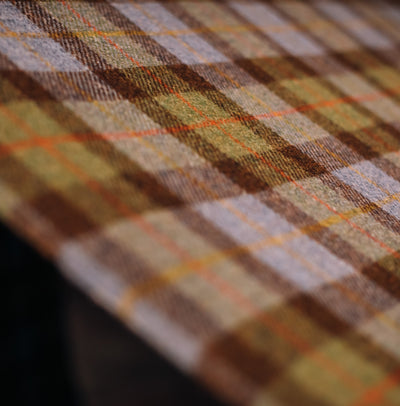
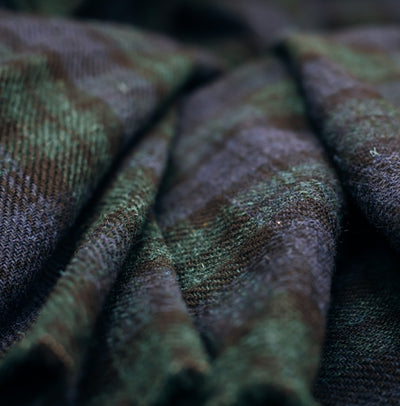
In the mid-19th century, the Isle of Harris was owned by the Earl of Dunmore and his wife, Lady Dunmore, who first saw the potential for selling this fabric, produced by the tenants on their looms, to her acquaintances in London.
As its reputation grew rapidly, and Harris Tweed was embraced by royalty, the industry had to be adapted to commercial production – while still maintaining the crucial requirement that it must be handwoven at the home of the weaver.
Success led to imitations and legal protection was sought for the genuine article. The Harris Tweed Association was formed in 1909 and the adoption, a year later, of the world-famous Orb trade mark, which authenticates genuine Harris Tweed. This provided common law protection as a certification trademark and this provided the basis for The Act of Parliament which was finally passed in 1993.
As Harris Tweed boomed, the Hattersley domestic loom was introduced in the 1930s and could be found in more than 1000 Hebridean homes for the next half century. The industry brought prosperity to the island economy when there was little else to sustain it.
With fashion and lifestyle changes, there was a decline in sales from the 1980s onwards. In response to market demands, a double-width handloom was developed and then introduced in the 1990s, bringing a period of stability to the industry.
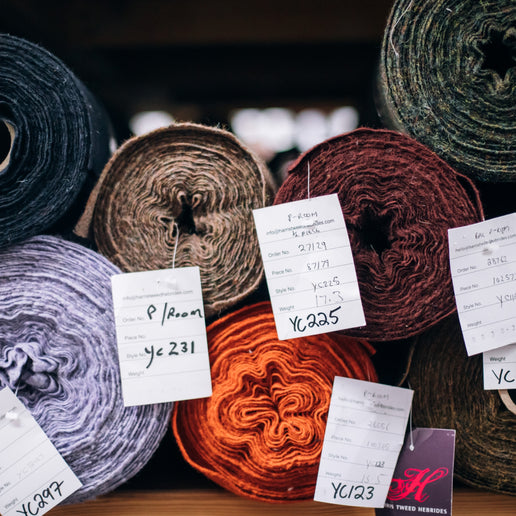
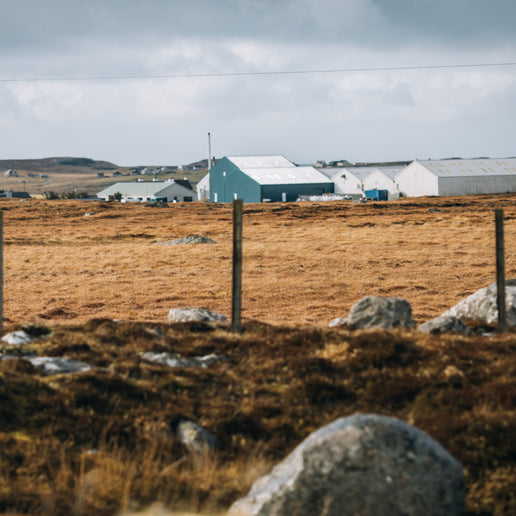
However, there was a desperate need for improved marketing and new ideas. The Shawbost mill closed in 2005, was taken over by the new company Harris Tweed Hebrides in 2007 and we now account for over 90 per cent of Harris Tweed production. Like Harris Tweed itself, a great Hebridean success story!